
Description
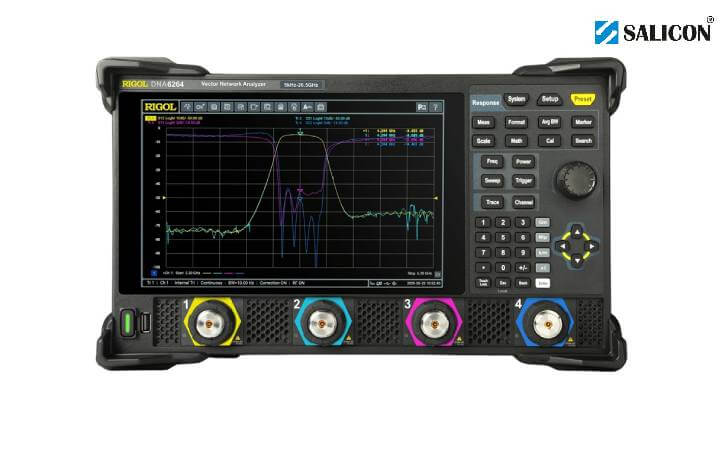
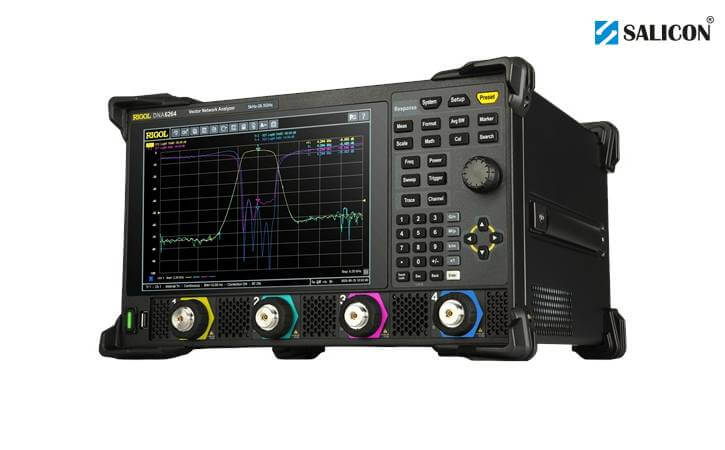
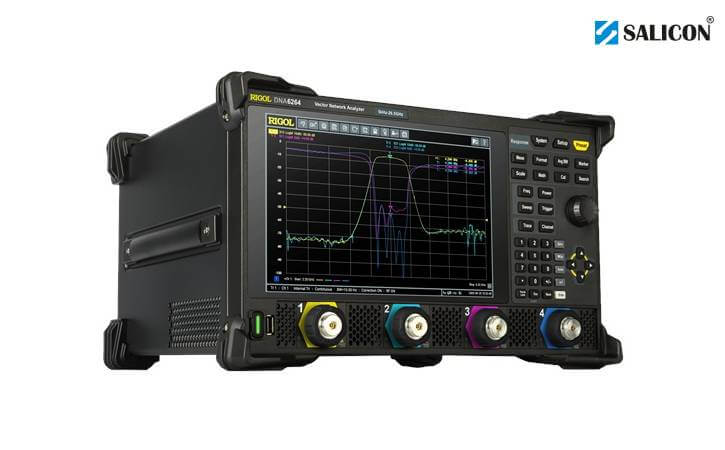
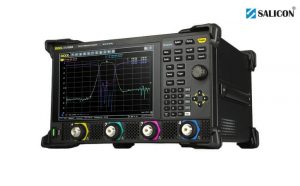
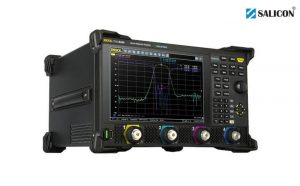
Rigol’s DNA6000 series vector network analyzers are powerful and flexible tools.
- They are high-performance VNAs designed for long-running, demanding measurement tasks in development, verification and production.
- Classic benchtop design optimized for continuous operation, 19″ integration and automated test systems
- Same operating philosophy as the DNA5000 (“VNA at every workstation”), but with greater power and interface capacity.
- Frequency ranges from 5 kHz to 26.5 GHz (depending on model) for modern wireless, radar and high-speed digital applications
- 120 dB dynamic range with very low trace noise density for the precise characterization of highly suppressing filters and complex networks
- Support for 2- and 4-port measurements, including complete S-parameters, differential and high-speed interconnect measurements
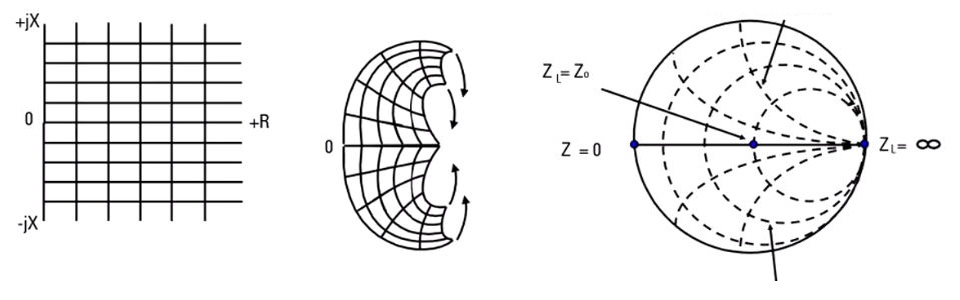
- Integrated tools: Pass/fail tests, SWR/VSWR measurements, a Smith chart and TDR functions for time-domain reflectometry
- De-embedding/fixture removal eliminates the influence of test cables, adapters, and fixtures, which is important for accurate DUT S-parameters.
- Covers typical applications such as filters, antennas, cables, dielectric materials, high-speed lines and backplanes.
- Revolutionary interaction design with a clear interface that significantly reduces the learning curve of classic high-end VNAs
- Calibration wizard: guides you step by step through all calibration types and reduces the error rate in complex RF setups
- Extensive interfaces: HDMI, LAN, USB, and additionally GPIB (exclusive to the DNA6000 series) for ATE integration and remote control
Five sweep types are available:
- Linear frequency sweep (start/stop frequency, uniform step size).
- Logarithmic frequency sweep (finer resolution in the lower frequency range).
- Power sweep (variation of output power at constant frequency, e.g., for compression or intermodulation measurements).
- CW time sweep (time-dependent measurement at a fixed frequency, e.g., temperature or aging behavior).
- Segment sweep (user-defined frequency segments with individual parameters such as number of points and dwell time).
Thanks to its modern 10.1″ touch display, guided calibration wizard, and support for common calibration methods (including mechanical and electronic E-Cal kits), getting started with RF measurement technology is just as quick as efficient workflows for experienced engineers. Interfaces such as GPIB, LAN, USB, and HDMI, SCPI support, and a remote web interface make the Rigol DNA6082 the ideal hub for automated testing and integrated RF test environments.
2 Port Models
| Overview | DNA6082 | DNA6142 | DNA6202 | DNA6262 |
|---|---|---|---|---|
| Frequency Range | 5 kHz – 8.5 GHz | 5 kHz – 14 GHz | 5 kHz – 20 GHz | 5 kHz – 26.5 GHz |
| Inputs (Ports) | 2 | 2 | 2 | 2 |
| Frequency Resolution | 1 Hz | 1 Hz | 1 Hz | 1 Hz |
| Dynamic Range | 120 dB, 127 dB (typ.) | 120 dB, 127 dB (typ.) | 120 dB, 127 dB (typ.) | 120 dB, 127 dB (typ.) |
| Output Level Range | -40 dBm – 10 dBm | -40 dBm – 10 dBm | -40 dBm – 10 dBm | -40 dBm – 10 dBm |
| Touch Display | 25.65 cm (10.1″) multi‑touch (1280×800) | 25.65 cm (10.1″) multi‑touch (1280×800) | 25.65 cm (10.1″) multi‑touch (1280×800) | 25.65 cm (10.1″) multi‑touch (1280×800) |
| Video Out (HDMI) | ✔ | ✔ | ✔ | ✔ |
| Scattering Parameter Measurement | ✔ | ✔ | ✔ | ✔ |
| Difference Parameter Measurement | ✔ | ✔ | ✔ | ✔ |
| Limit Test | ✔ | ✔ | ✔ | ✔ |
| Impedance Transformation | ✔ | ✔ | ✔ | ✔ |
4 Port Models
| Overview | DNA6084 | DNA6144 | DNA6204 | DNA6264 |
|---|---|---|---|---|
| Frequency Range | 5 kHz – 8.5 GHz | 5 kHz – 14 GHz | 5 kHz – 20 GHz | 5 kHz – 26.5 GHz |
| Inputs (Ports) | 4 | 4 | 4 | 4 |
| Frequency Resolution | 1 Hz | 1 Hz | 1 Hz | 1 Hz |
| Dynamic Range | 120 dB, 127 dB (typ.) | 120 dB, 127 dB (typ.) | 120 dB, 127 dB (typ.) | 120 dB, 127 dB (typ.) |
| Output Level Range | -40 dBm – 10 dBm | -40 dBm – 10 dBm | -40 dBm – 10 dBm | -40 dBm – 10 dBm |
| Touch Display | 25.65 cm (10.1″) multi‑touch (1280×800) | 25.65 cm (10.1″) multi‑touch (1280×800) | 25.65 cm (10.1″) multi‑touch (1280×800) | 25.65 cm (10.1″) multi‑touch (1280×800) |
| Video Out (HDMI) | ✔ | ✔ | ✔ | ✔ |
| Scattering Parameter Measurement | ✔ | ✔ | ✔ | ✔ |
| Difference Parameter Measurement | ✔ | ✔ | ✔ | ✔ |
| Limit Test | ✔ | ✔ | ✔ | ✔ |
| Impedance Transformation | ✔ | ✔ | ✔ | ✔ |
Special Features
High Performance VNA
Classic desktop design, optimized for continuous operation, 19″ integration, and automated test systems. GPIB interface
Perfect fit
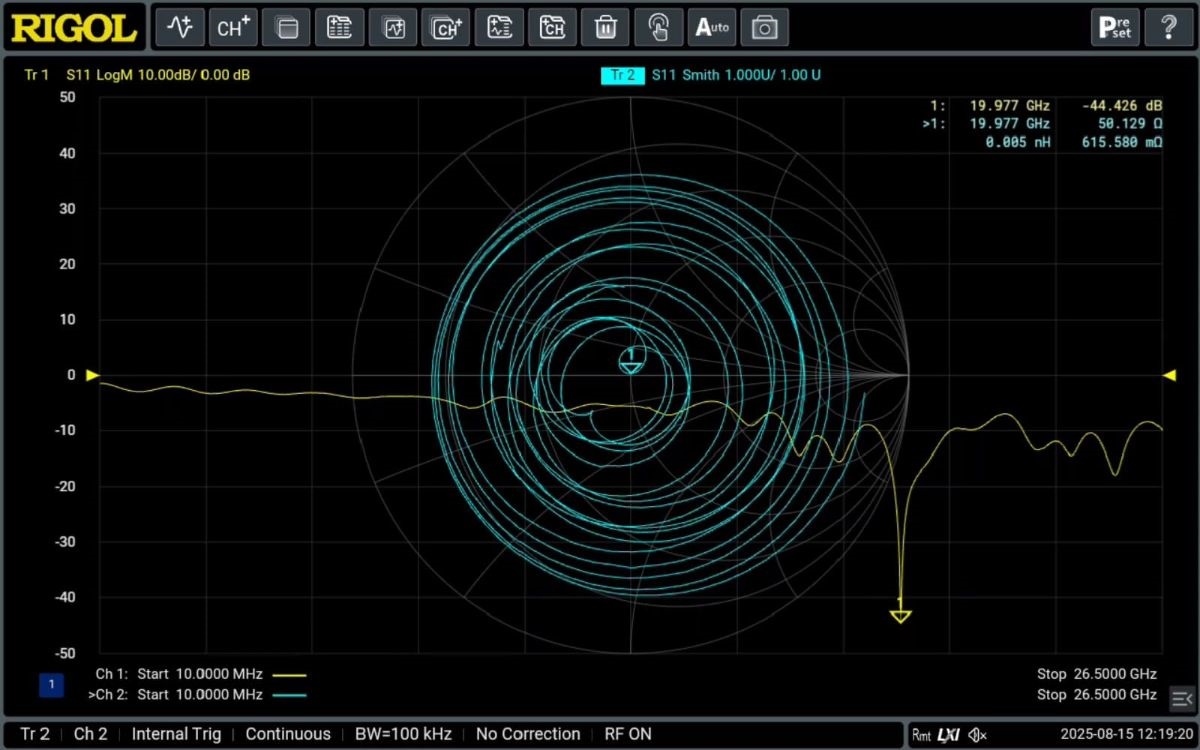
The frequency range covers numerous applications. With a range from 5 kHz to 26.5 GHz and two or four ports, the device meets the test requirements for extended use, such as filters, antennas, cables, material dielectricity, high-speed interconnect measurements, and backplanes, even in complex networks.
High dynamic range
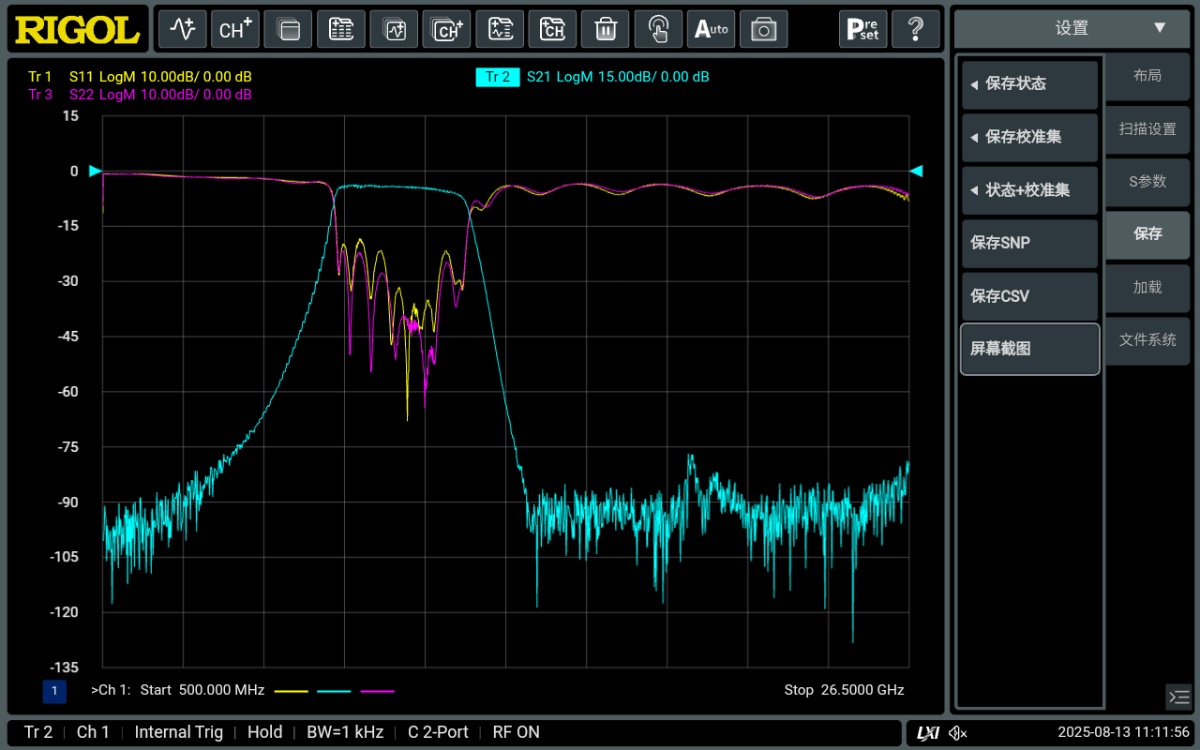
A wide dynamic range of over 120 dB combined with exceptionally low noise levels ensures precise characterization of components with high suppression ratios and stable measurement results.
Comprehensive analytical capabilities
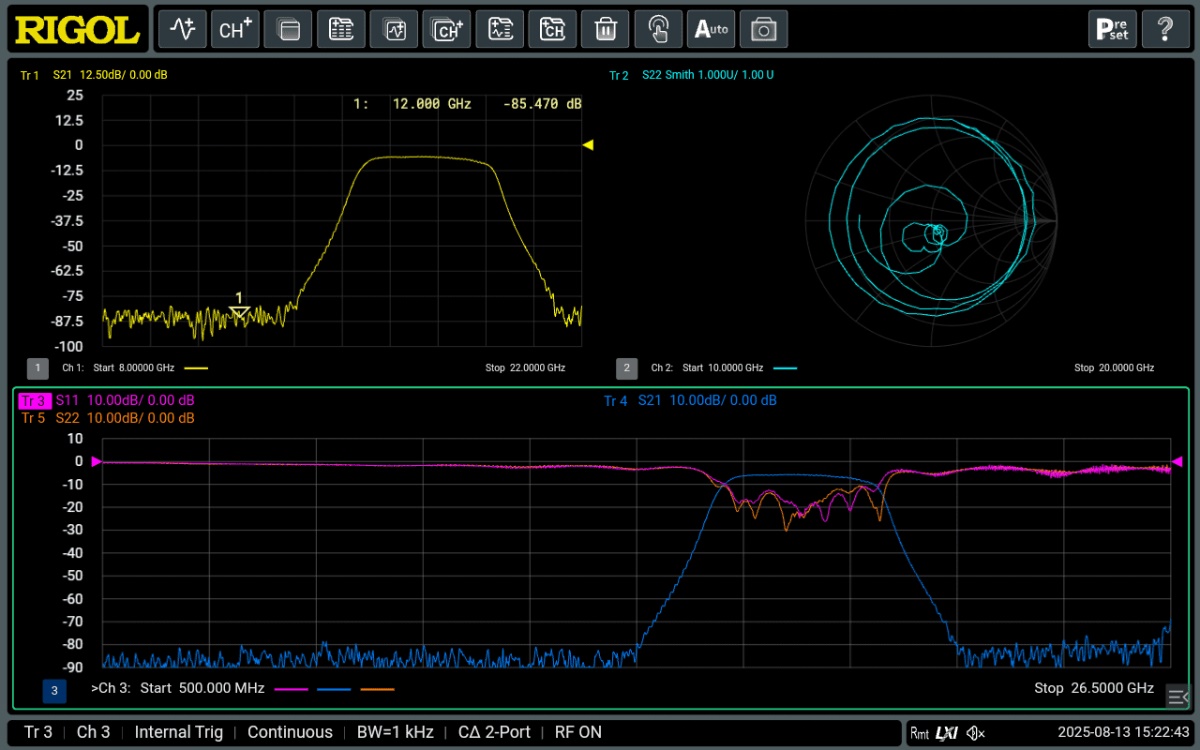
Featuring built-in application tools including limit line testing (Pass/Fail), standing wave ratio (SWR) measurement, Smith charts, and time domain reflectometry (TDR), it efficiently handles tasks ranging from R&D validation to production line quality control.
Fixture Removal and DeEmbedding
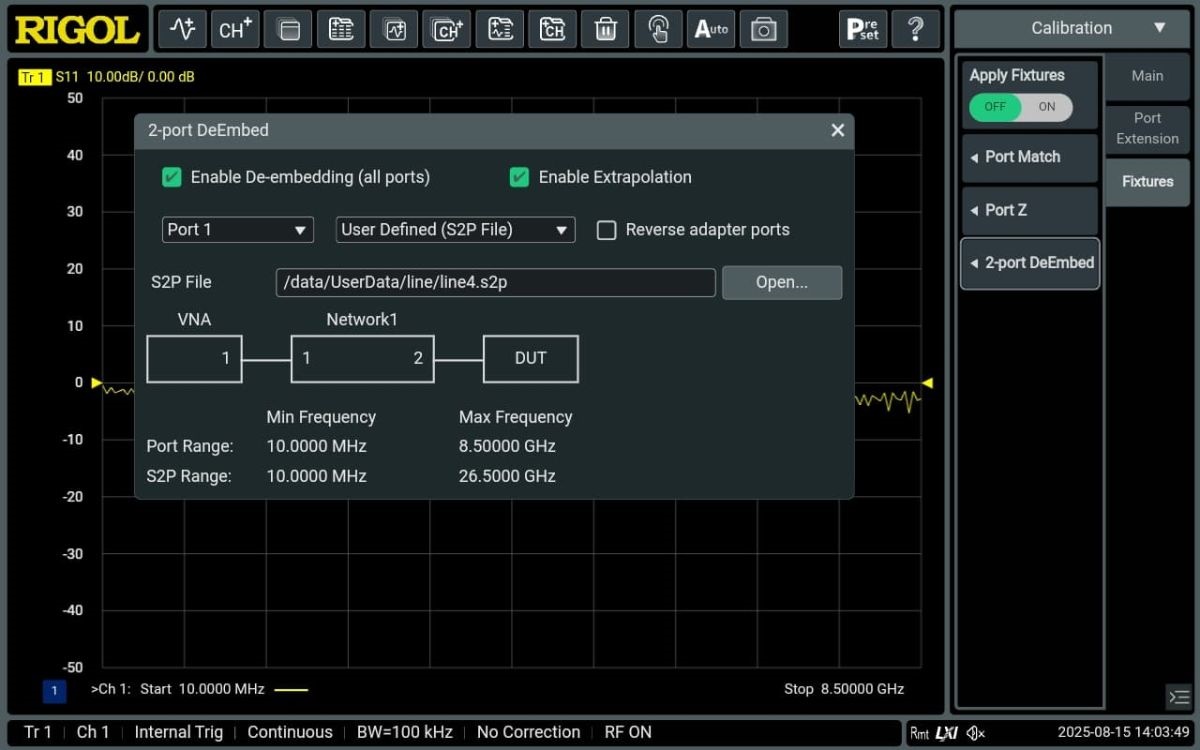
Effortlessly eliminate the influence of test fixtures, adapters, and cables through fixture removal and deembedding, enabling precise measurement of the true S-parameters of the device under test (DUT) itself to ensure result reliability.
Guided calibration
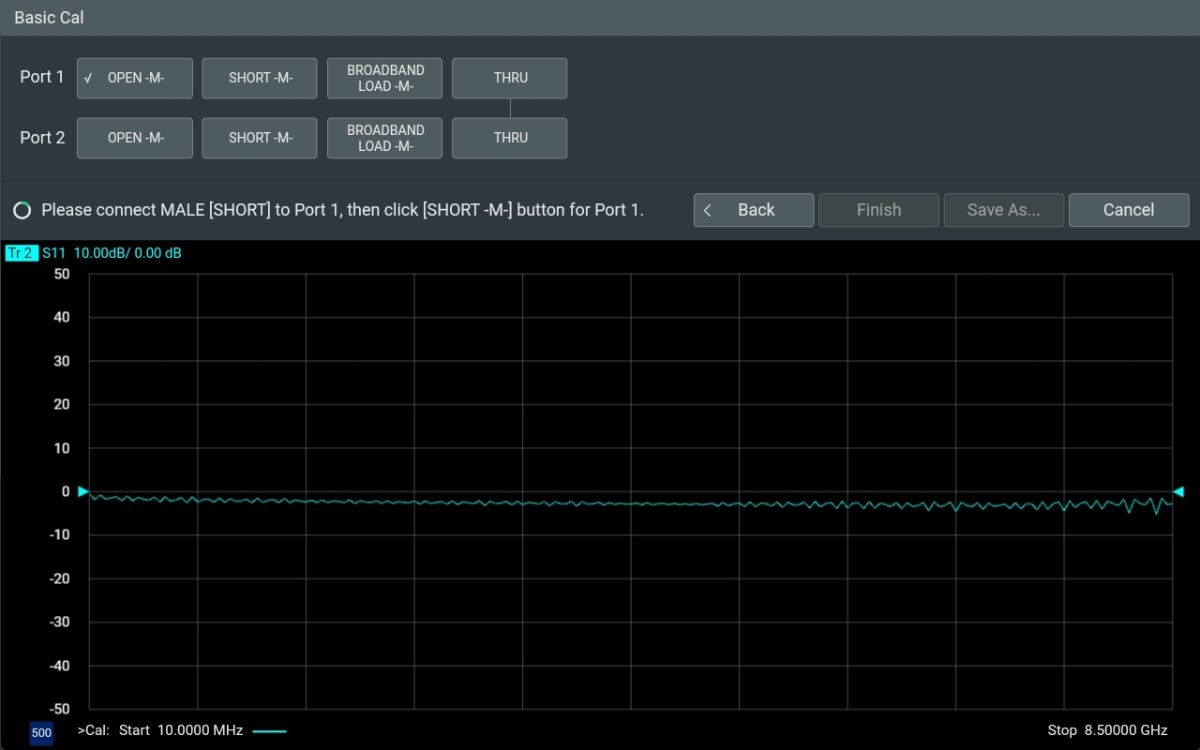
The built-in calibration wizard provides clear, step-by-step guidance to ensure both novices and experts can swiftly and accurately complete setup, guaranteeing precision in every measurement.
Optional mechanical or electronic calibration kits
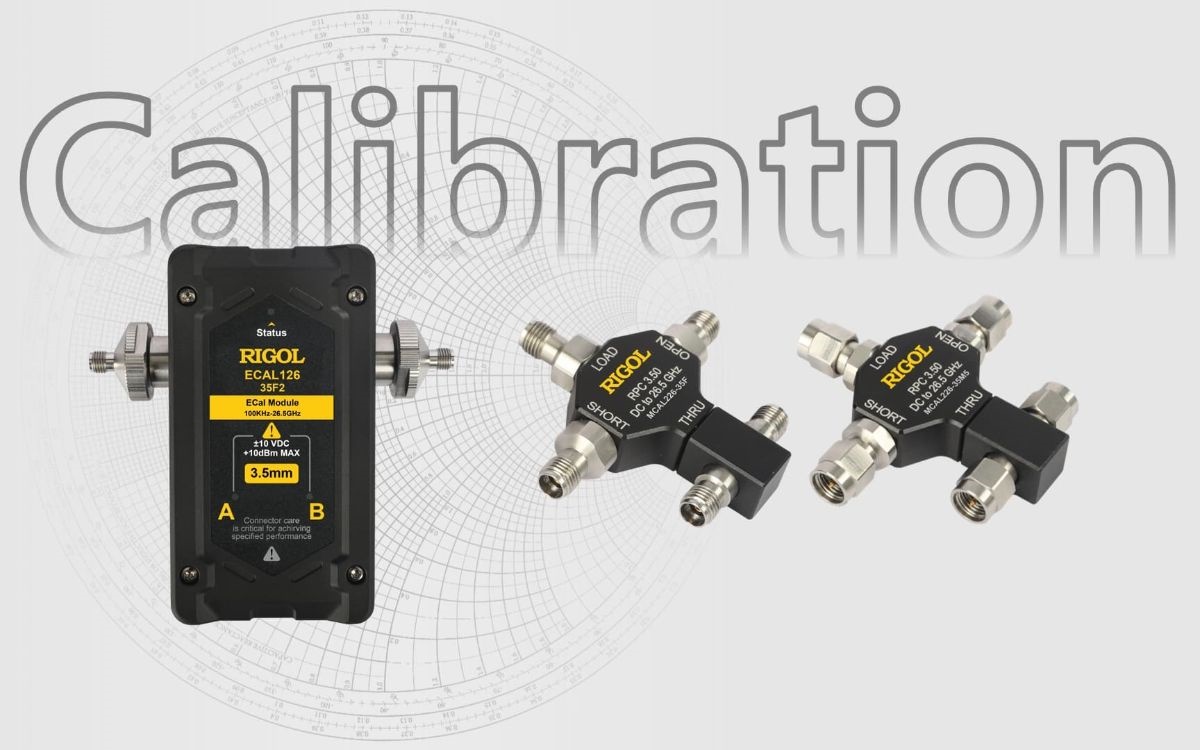
These high-precision, durable mechanical calibration blocks cover various frequency bands and interface types, ensuring traceability of test results and high repeatability. Electronic calibration blocks significantly reduce test preparation time, minimize human error, and are therefore the ideal choice for those seeking maximum efficiency and consistency.
GPIB, standard SCPI commands, command set compatibility
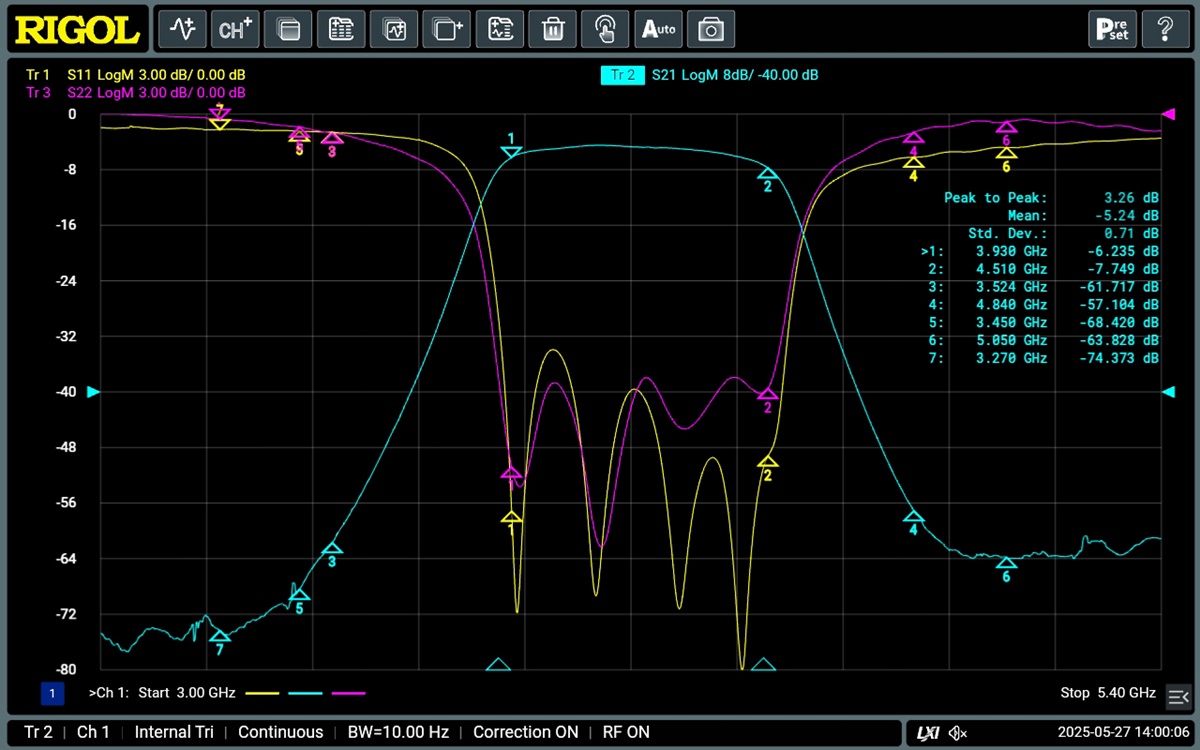
Thanks to its command set compatibility, it can be seamlessly integrated into or replace existing test systems with multiple remote-control interfaces and support for standard SCPI commands. This means that automation scripts do not need to be rewritten, and familiar workflows can be maintained.


Reviews
There are no reviews yet.